Hidden Baroque Churches in Rome: Bernini, Borromini & 2026 Visiting Tips

Rome's most memorable art is not always behind a museum ticket desk. Some of the city's most inventive Baroque architecture and sculpture survives in working churches, where a visitor can see how light, marble, movement and faith were designed to work together. For travelers who love art but want a different experience from the Vatican Museums or the Colosseum, a Bernini-and-Borromini walk is one of the most rewarding ways to spend part of a day.
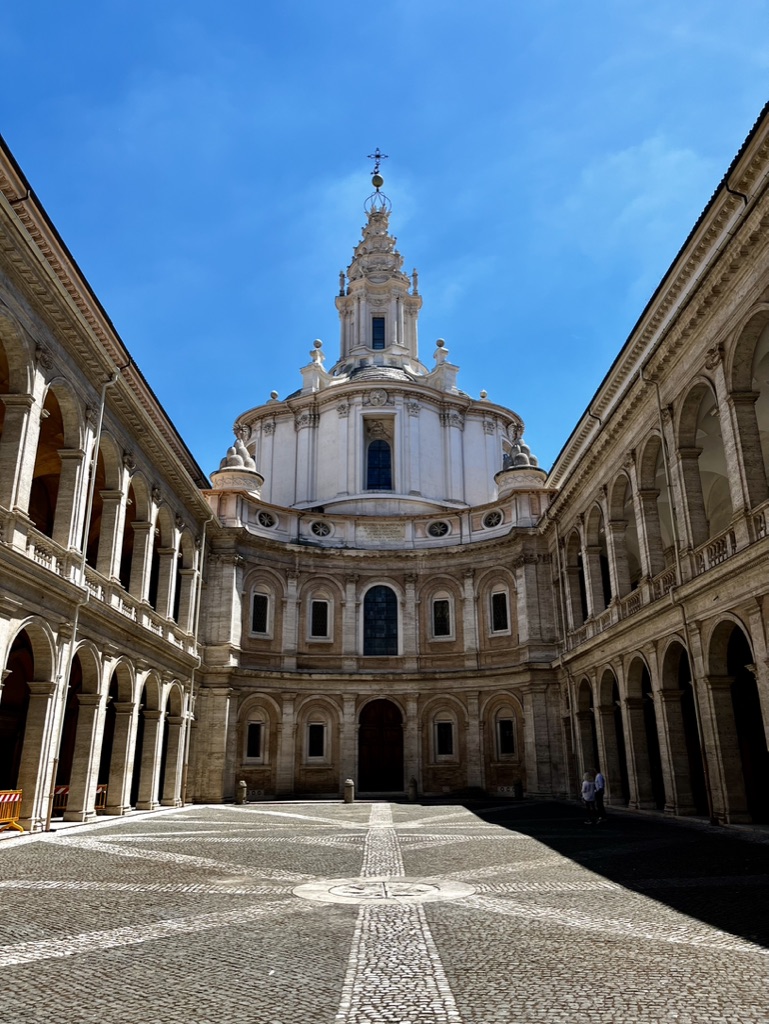
This guide focuses on four remarkable churches, what to look for in each, and how to plan responsibly in 2026. One important update comes first: Sant'Ivo alla Sapienza is currently closed for works, according to its own cultural center. That does not make the architecture any less interesting, but it does change what visitors should expect.
Before you go: Sant'Ivo alla Sapienza is closed for works
As checked on October 30, 2026, the official Sant'Ivo cultural center website states that the Church of Sant'Ivo is closed for ongoing works. Its regular Sunday Mass is taking place in another room, not in the church. Do not assume you can enter the church, book a tour of its interior, or even access the courtyard on your chosen date. Check the official notice again shortly before your visit.
Check the latest notice directly: Sant'Ivo alla Sapienza official website
Why mention a closed church in a travel guide? Because the story of Sant'Ivo is essential to understanding Borromini, and knowing about a closure in advance is much better than arriving with unrealistic expectations. If access is restricted, make it an optional architecture stop and spend more time at the churches along the Quirinal instead.
The four Baroque churches worth knowing
1. Sant'Ivo alla Sapienza — Borromini's architectural imagination
Address: Corso del Rinascimento 40, near Piazza Navona. The church was designed by Francesco Borromini within the historic Sapienza complex, once the University of Rome. The building's geometries are extraordinary: its six-pointed-star-inspired plan, curving walls and rising dome create an effect that feels almost weightless. The lantern culminates in a distinctive spiral.
Look for the relationship between geometry and meaning. Borromini did not simply decorate a conventional rectangular space; he shaped the space itself into an argument about harmony, faith and ingenuity. The courtyard also contains heraldic references to the Roman families and popes connected with the building. The official Rome tourism portal provides historical context, but the church's own website is the better source for its current closure status.
Local planning tip: treat this as a conditional stop in 2026, not a guaranteed interior visit. A good guide can explain the architectural concept without pretending the building is open.
2. Sant'Andrea al Quirinale — Bernini turns a church into a theater
Address: Via del Quirinale 30. Gian Lorenzo Bernini designed Sant'Andrea al Quirinale for Cardinal Camillo Pamphilj. Its oval plan, glowing materials and carefully directed light offer a brilliant contrast to Borromini's restless geometry. Bernini wanted the visitor's attention to move toward the altar and the story of Saint Andrew.
Notice the way the building choreographs your gaze. The architecture, gilding, sculpture and painting are not separate decorations: they work as one experience. The martyrdom painting at the altar and the sculptural details above it reward a slow look. It is an excellent place to understand why Baroque artists cared so much about emotional storytelling.
Practical note: Rome's official tourism portal directs visitors to the church's own contacts for Mass times and visiting conditions. Do not rely on a fixed opening time copied from an old travel blog. A religious service or special event may affect tourist access.
3. San Carlo alle Quattro Fontane — the genius of a small space
Address: Via del Quirinale 23. Also called San Carlino because of its compact size, this is one of Borromini's most radical achievements. The façade seems to ripple, while the oval interior and patterned dome transform a modest footprint into something unexpectedly spacious.
Look upward at the dome's coffers: their changing shapes and scale create an illusion of depth. Then notice how the walls curve instead of behaving like a simple box. The contrast with Bernini's Sant'Andrea, only a short walk away, makes the rivalry of artistic ideas tangible.
Verified visiting information, checked October 30, 2026: the church's own website lists weekday visits from 10:00 a.m. to 1:00 p.m. and 3:00 to 5:00 p.m. from October through April; from May through September, the afternoon window is 4:00 to 7:00 p.m. It states that ordinary admission is free, with donations appreciated. These are published visiting arrangements, not a guarantee of access on a particular day; check for changes before setting out.
Check the current schedule and conditions: San Carlo's official visiting page
4. Santa Maria della Vittoria — Bernini's Ecstasy of Saint Teresa
Address: Via XX Settembre 17. This church contains one of Bernini's most extraordinary sculptural ensembles: the Ecstasy of Saint Teresa in the Cornaro Chapel. The saint and an angel occupy a luminous marble stage, while sculpted members of the Cornaro family appear in side boxes, as though witnessing a performance.
The subject comes from Saint Teresa of Avila's description of a mystical experience. Bernini turns that spiritual account into a carefully orchestrated encounter between sculpture, gilded rays, architecture and light. The work is not simply a statue placed in a chapel: the chapel itself is part of the artwork.

Original Roman Eagle Travel photograph: visitors admiring Bernini's Ecstasy of Saint Teresa at Santa Maria della Vittoria.
A detail to notice: look at the Cornaro family figures watching from the architectural balconies on either side. They help explain the Baroque taste for making the viewer feel part of the scene. The official tourism portal confirms the work's attribution and directs visitors to church contacts for current visiting arrangements; it does not promise a universal daily opening schedule.
How to organize a sensible Bernini-and-Borromini walking route
For a practical outing, group the Quirinal churches together: start with Sant'Andrea al Quirinale, continue to San Carlo alle Quattro Fontane, then finish at Santa Maria della Vittoria. These three sites are close enough to combine without spending most of your time in transit. Add Sant'Ivo near Piazza Navona only as a separate, conditional architecture stop, particularly while its interior remains closed.
Do not schedule every church to the minute. Allow time for an unexpected closure, a religious service, a quiet moment inside or a conversation about what you are seeing. The streets around the Quirinal are not entirely flat, and some historic pavements can be uneven, so comfortable walking shoes are more useful than an ambitious checklist.
If your priority is Borromini, spend extra time at San Carlo. If you love sculpture and storytelling, give Santa Maria della Vittoria a longer visit. If you have already visited the Borghese Gallery, the contrast between Bernini's museum sculptures and his integrated church installations is especially illuminating.
Church etiquette and practical advice for American visitors
These are active places of worship, not ordinary museum galleries. Dress respectfully, speak quietly, and give priority to worshippers. Before taking photographs, check posted rules and avoid flash, tripods or intrusive photography during services. Some churches may ask visitors to refrain from photography altogether.
Do you need to book tickets? Do not assume one rule applies to all four churches. San Carlo's own website currently says ordinary admission is free and donations are welcome. For Sant'Andrea and Santa Maria della Vittoria, consult the churches' current visitor information rather than relying on an unverified price or opening time. Sant'Ivo is closed for works as of this update.
Can you visit during Mass? Treat Mass as worship rather than a sightseeing opportunity. If a service is underway, follow staff instructions and consider returning at another time. Opening arrangements, accessible entrances and group rules may differ between churches, so visitors with mobility needs should contact the sites before traveling.
Frequently asked questions
Are Bernini and Borromini the same kind of Baroque artist?
They were contemporaries with strikingly different artistic approaches. Bernini often staged powerful emotional encounters through sculpture, light and architecture; Borromini explored the expressive possibilities of geometry, curved surfaces and unusual spatial plans. Visiting Sant'Andrea and San Carlo in succession makes the difference easier to see than reading about it.
Is Sant'Ivo alla Sapienza open in late 2026?
The official Sant'Ivo cultural center currently says the church is closed for works. No reopening date is stated on the notice checked October 30, 2026. Verify again before you travel and do not treat an exterior or courtyard view as guaranteed.
Which church should I prioritize if I have time for only one?
Choose Santa Maria della Vittoria if you especially want to see a celebrated Bernini sculpture. Choose San Carlo alle Quattro Fontane if you prefer experimental architecture and want to understand Borromini. Choose Sant'Andrea al Quirinale for an intimate example of how Bernini unified architecture and visual storytelling.
Can I combine these churches with the Vatican or Colosseum?
It is possible to include a short Baroque church stop in a wider Rome itinerary, but do not underestimate museum visits, security lines or travel between neighborhoods. These churches are more enjoyable when they are not reduced to hurried photo stops.
Official sources and last-checked date
The historical and practical information above was checked against official church websites and Rome's municipal tourism portal on October 30, 2026. Religious services, conservation works and access arrangements can change after publication. Confirm the conditions that matter to your itinerary shortly before visiting.
Discover the quieter side of Rome with a local guide
Rome's Baroque churches reward curiosity more than speed. If you would like help connecting the art, symbolism and stories of these places—and adapting the route to actual access conditions—Roman Eagle Travel can create a private Hidden Rome experience around your interests. No fixed opening or entry arrangement is promised.
Explore our Hidden Rome: Churches, Art & Baroque Secrets private tour and tell us which artists or neighborhoods interest you most.


Comments